A Catholic answer
Why do Catholics confess their sins to a priest?
The short answer
Only God forgives sins, and Catholics agree completely Catechism 1441. But Jesus chose to share that work with his apostles: on Easter night he breathed on them and told them that the sins they forgave would be forgiven John 20:21–23. In confession the priest acts in the person of Christ. It is God who forgives, and you get to hear it said out loud Catechism 1442 Catechism 1461.
"Can't I just tell God?"
You can, and you should, every day. Catholics pray for mercy in their own words, and everyday sins can be forgiven in many ways, including through receiving the Eucharist Catechism 1394. But Jesus gave the Church a sacrament for the times we have seriously turned away from God. For grave (mortal) sin, confession is the ordinary way back Catechism 1456 Catechism 1468. If someone is truly sorry out of love for God and intends to go to confession as soon as they can, God's forgiveness reaches them even before they get there Catechism 1452.
What Jesus gave his apostles
On the evening of the Resurrection, Jesus sent the apostles as the Father had sent him, breathed on them and gave them the Holy Spirit, then said that whose sins they forgave would be forgiven, and whose they retained would be retained John 20:21–23. They could not decide what to forgive or retain without hearing the sins. Paul calls this the "ministry of reconciliation" entrusted to the apostles 2 Corinthians 5:18–20, and James tells Christians to confess their sins to one another James 5:16.
What actually happens
Confession has a simple shape. The Catechism describes it as the penitent's sorrow, confession of sins and willingness to make amends, together with the priest's absolution Catechism 1491. In practice:
- Prepare by looking honestly at your life since your last confession (an examination of conscience).
- Go to the confessional. You can usually choose to kneel behind a screen or sit face to face.
- Tell the priest how long it has been, then name your sins simply. If you're nervous or it's been years, just say so. He will help.
- The priest may offer a few words of advice and give you a penance, often a prayer.
- Say an act of contrition, telling God you're sorry. The priest then speaks the words of absolution.
Nothing you say leaves the room
A priest can never reveal what he hears in confession, to anyone, for any reason. The Church calls this the sacramental seal. It admits no exceptions, and a priest who broke it would face very severe penalties Catechism 1467.
If it's been a long time
Priests have heard everything, and they are glad when someone comes back. Jesus told the story of the father who ran to meet his returning son before the son could finish his apology Luke 15:11–32. Catholics are asked to confess grave sins at least once a year Catechism 1457, but there is no wrong time to go. Most parishes list confession times on their website, and you can always call and ask for an appointment.
Still have a question?
Ask Restless anything about this. You'll get a clear answer with the Scripture and Catechism sources to check it.
Ask your own questionRelated questions
Sources
Scripture links open the New American Bible at the U.S. bishops' site. Catechism links open the paragraph in the USCCB's online Catechism.
Go deeper
Short books from Restless Faith Media on this question.
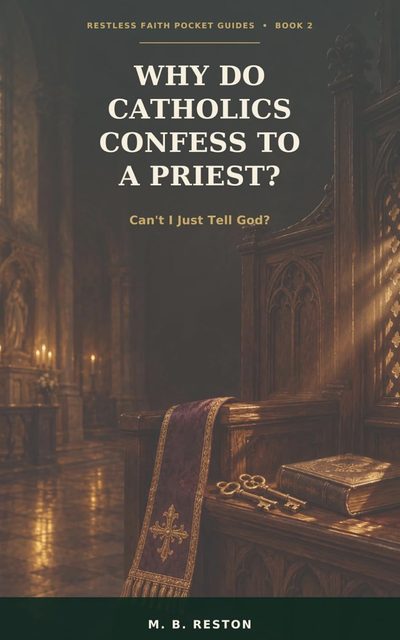
Pocket Guide · Book 2
Why Do Catholics Confess to a Priest?
Can't I Just Tell God?
Who it's for: If you've ever thought 'I can just tell God directly,' this walks through John 20, the early Church, and what actually happens in the confessional — fears included.
View on Amazon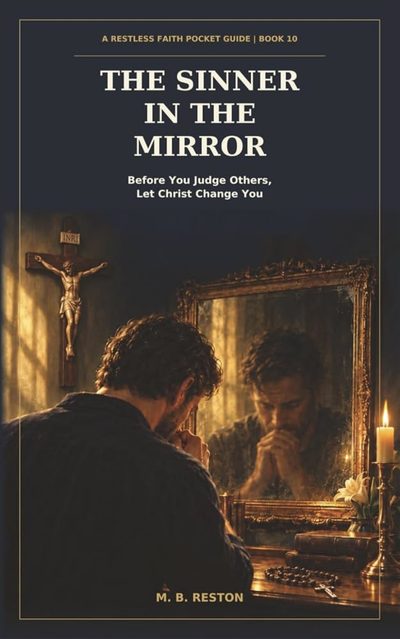
Pocket Guide · Book 10
The Sinner in the Mirror
Before You Judge Others, Let Christ Change You
Who it's for: For anyone ready to look honestly at their own choices, prepare for Confession, and begin again — without drowning in shame or endless self-scrutiny.
View on Amazon